

Solar Panel Cost in Houston Texas 2026
Solar Panel Cost in Houston Texas 2026
If you’re a Houston homeowner watching your electric bills climb month after month, you’re not alone. With electricity rates hovering around 13.8¢ per kilowatt-hour in the Greater Houston area—and climbing—more Houstonians are asking whether solar makes financial sense in 2026. The good news? The 30% federal solar tax credit is still available through the end of 2026, making this one of the best years to go solar. In this comprehensive guide, we’ll break down exactly what solar panels cost in Houston in 2026, what incentives you can stack, and how quickly you’ll see a return on your investment. The average Houston homeowner with an 11.5 kW system saves around $2,280 per year on electricity, which means you could recoup your investment in about 7.2 years while protecting yourself against future rate hikes.
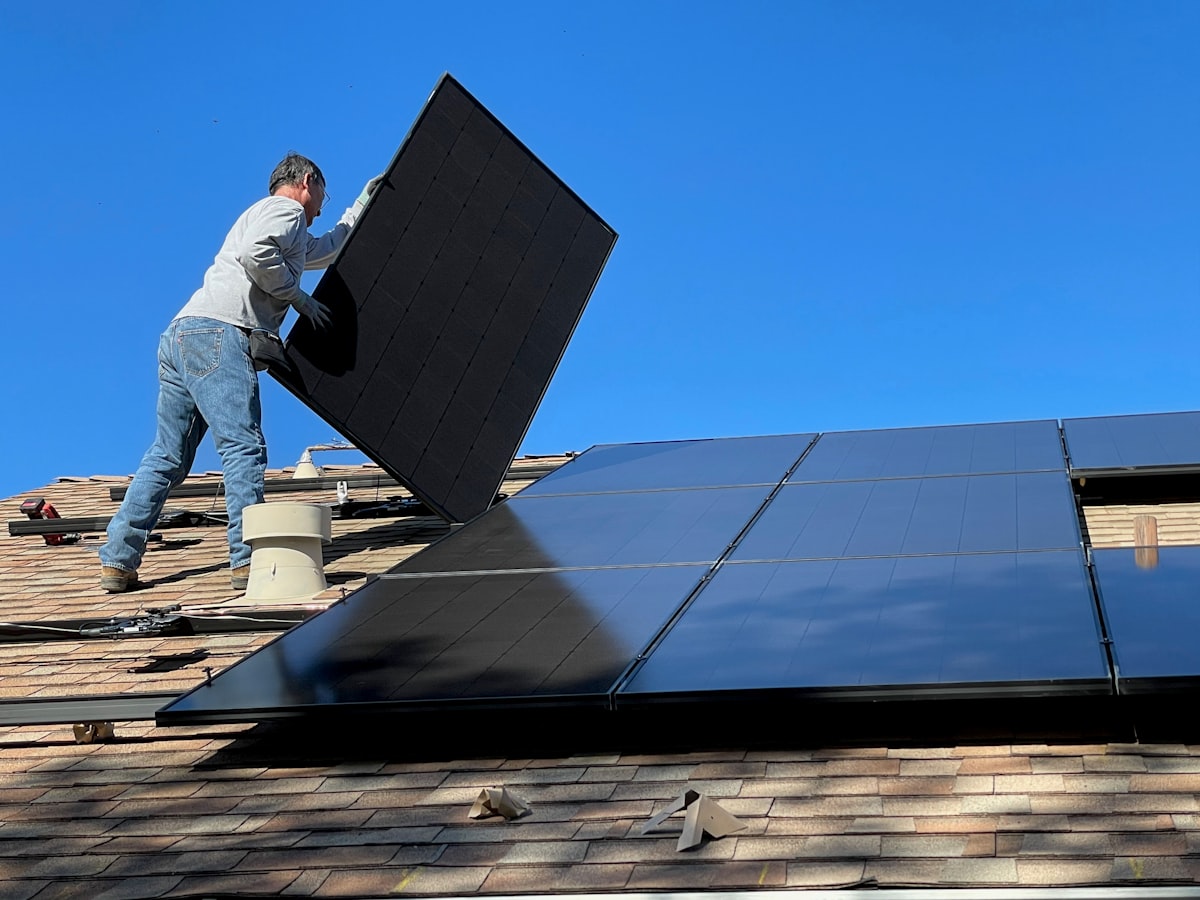
Current 2026 Solar Panel Costs in Houston: What You’ll Actually Pay
Here’s the real breakdown of what solar costs in Houston right now:
| Cost Component | Amount |
|---|---|
| Average System Size | 11.5 kW |
| Average Cost Before Incentives | $34,500 |
| Federal Tax Credit (30% ITC) | -$10,350 |
| Cost After Federal Tax Credit | $24,150 |
| Local Utility Rebates | $0–$2,000 (depending on provider) |
| Final Net Cost | $22,150–$24,150 |
| Average Annual Savings | $2,280 |
| Payback Period | 7.2 years |
Breaking Down the Numbers
The typical Houston home needs an 11.5 kW solar system to offset most or all of its electricity usage. At current 2026 prices, that system costs around $34,500 before any incentives. But here’s where it gets interesting.
First, you’ll immediately qualify for the 30% federal Investment Tax Credit (ITC), which shaves $10,350 off your costs. You claim this as a credit (not a deduction) on your federal tax return for the year you install your system. Unlike a deduction, a tax credit reduces your tax bill dollar-for-dollar.
Next, depending on your utility provider, you may qualify for additional local rebates. CenterPoint Energy, Reliant, and some smaller providers occasionally offer solar incentives ranging from $500 to $2,000. These aren’t always available, so check with your installer about current programs.
Your final out-of-pocket cost typically lands between $22,150 and $24,150—about 35-40% less than the sticker price.
Cost Per Watt in Houston: Are You Getting a Fair Price?
In 2026, solar installers in Houston are charging between $2.85 and $3.15 per watt before incentives. The national average sits at $2.85–$3.50/W, so Houston prices are competitive and slightly below the upper range.
For an 11.5 kW system, here’s what you should expect:
- Low-end quote: $2.85/W × 11,500 watts = $32,775
- Mid-range quote: $3.00/W × 11,500 watts = $34,500
- High-end quote: $3.15/W × 11,500 watts = $36,225
If you’re getting quotes above $3.25/W, ask why. Premium equipment (like SunPower or Tesla Powerwall batteries) can justify higher costs, but you shouldn’t overpay for mid-tier gear.
Why Houston Prices Vary
Several factors affect your per-watt cost:
Roof complexity: A simple ranch-style home with a south-facing roof costs less to install than a two-story with multiple dormers or a steep pitch.
Equipment tier: Budget-friendly options like Canadian Solar or Trina panels run cheaper than premium SunPower or LG panels. Inverters matter too—string inverters are more affordable than microinverters, but microinverters perform better if you have shading issues.
Company overhead: National franchises often charge more than local installers. You’re paying for brand recognition and standardized service, which some homeowners value.
Permitting and interconnection: Houston has relatively straightforward permitting compared to some Texas cities, but costs still vary by neighborhood and whether you need electrical panel upgrades.
What Affects Your Solar Panel Cost in Houston?
1. Your Roof Type and Condition
Got a composition shingle roof? That’s the easiest and cheapest to work with. Metal roofs are also great—they last 50+ years and panels attach easily. Spanish tile or flat roofs add complexity and cost.
If your roof needs replacement soon, do it before installing solar. Most installers offer roofing services or partnerships, and it’s far cheaper than removing and reinstalling your panels in 5 years.
2. Houston’s Sun Hours and Shading
Houston gets about 4.5–5 peak sun hours per day on average. That’s decent but not exceptional compared to El Paso or West Texas (5.5–6 hours). However, Houston’s year-round sunshine means your panels produce consistently.
Shading is your enemy. Even partial shade from oak trees, chimneys, or neighboring buildings can reduce output by 20-40%. This is where microinverters or power optimizers help—they prevent one shaded panel from dragging down your entire system.
3. Energy Usage Patterns
The average Houston home uses about 13,500–15,000 kWh per year, but that varies wildly. Running your AC at 68°F all summer? You’ll need a bigger system. Energy-efficient home with good insulation? You might get away with 9–10 kW.
Your installer will analyze your past 12 months of electric bills to right-size your system. Oversizing wastes money; undersizing means you’re still buying grid power.
4. Battery Storage Considerations
Batteries aren’t included in the base price. A Tesla Powerwall (13.5 kWh) adds about $12,000–$14,000 to your total cost. With Houston’s occasional grid instability (remember the 2021 freeze?), batteries are increasingly popular.
However, batteries extend your payback period by 3–5 years. If you’re purely focused on ROI, skip the battery. If resilience during hurricanes and storms matters, budget for one.
Real Houston Solar Quotes: 3 Example Scenarios
Here’s what actual Houston homeowners are seeing in 2026:
Quote #1: Budget-Conscious Install (Katy)
- System size: 11.5 kW
- Equipment: Trina Solar panels + Enphase IQ8 microinverters
- Price before incentives: $32,800 ($2.85/W)
- After 30% federal credit: $22,960
- Annual savings: $2,280
- Payback: 10.1 years
Analysis: Solid equipment at a competitive price. Enphase microinverters are reliable and come with 25-year warranties. This homeowner prioritized cost over brand prestige.
Quote #2: Mid-Range Performance (Memorial)
- System size: 11.5 kW
- Equipment: Canadian Solar panels + SolarEdge inverter with optimizers
- Price before incentives: $34,500 ($3.00/W)
- After 30% federal credit + $1,500 CenterPoint rebate: $22,650
- Annual savings: $2,280
- Payback: 9.9 years
Analysis: SolarEdge optimizers handle the partial shading from large oak trees in this neighborhood. The extra $1,500 CenterPoint rebate sweetens the deal.
Quote #3: Premium System with Battery (Sugar Land)
- System size: 11.5 kW + 13.5 kWh Tesla Powerwall
- Equipment: REC Alpha Pure panels + Tesla inverter + Powerwall
- Price before incentives: $47,200 (system + battery)
- After 30% federal credit: $33,040
- Annual savings: $2,280 + ~$200 in avoided demand charges
- Payback: 13.3 years
Analysis: This homeowner wanted backup power for hurricane season. The Powerwall keeps essentials running during outages. Higher upfront cost, longer payback, but valuable peace of mind.

Payback Period and ROI: When Does Solar Pay Off in Houston?
With average annual savings of $2,280 and a net cost around $22,150–$24,150, you’re looking at a 7.2-year payback period for most Houston installations.
Simple Payback Calculation
Payback Period = Net System Cost ÷ Annual Savings
Using our baseline numbers:
- $24,150 ÷ $2,280 = 10.6 years (without local rebates)
- $22,150 ÷ $2,280 = 9.7 years (with $2,000 in rebates)
But remember: this assumes electricity rates stay flat. They won’t.
The Real ROI: Accounting for Rate Increases
CenterPoint and other Texas providers have raised rates by an average of 3.5% annually over the past decade. If that trend continues:
- Year 1: Save $2,280
- Year 5: Save $2,660 (as grid rates climb)
- Year 10: Save $3,100
- Year 15: Save $3,615
By year 15, your cumulative savings could exceed $45,000—nearly double your initial investment.
25-Year Return
Solar panels are warrantied for 25-30 years. Over a full 25-year lifecycle:
- Total investment: ~$24,150
- Total savings: ~$75,000–$85,000 (accounting for rate escalation)
- Net profit: $50,000–$60,000
That’s a 200-250% return over 25 years, or about 8-10% annually—better than most conservative investments.
25-Year ROI Breakdown: Cumulative Savings Chart
Here’s how your savings accumulate over time (assuming 3.5% annual electricity rate increases):
| Year | Annual Savings | Cumulative Savings | Notes |
|---|---|---|---|
| 1 | $2,280 | $2,280 | First full year of production |
| 5 | $2,660 | $12,100 | Rates have increased; you’re saving more |
| 10 | $3,100 | $27,800 | System has paid for itself |
| 15 | $3,615 | $47,200 | Pure profit from here on |
| 20 | $4,215 | $70,500 | Panels still producing at 90%+ efficiency |
| 25 | $4,915 | $99,800 | Total savings approach $100,000 |
Key takeaway: Your initial $24,150 investment grows to nearly $100,000 in total savings over 25 years. Even if electricity rates increase more slowly (2% annually), you’re still looking at $75,000+ in lifetime savings.

Best Solar Companies Serving Houston in 2026
You’ll want to get quotes from at least 3–5 installers. Here are some of the top-rated companies working in the Houston metro area:
1. Freedom Solar (Texas-based, excellent reputation)
Freedom Solar has been installing systems across Texas since 2007. They’re one of the largest Texas-based installers and consistently earn high marks for customer service. They offer a wide range of equipment tiers and handle everything from permitting to interconnection.
2. SunPower by Positive Energy Solar
If you want premium equipment with industry-leading efficiency (22-24% panel efficiency vs. 18-20% for standard panels), SunPower is the gold standard. Their systems cost 10-15% more but produce more power per square foot—helpful if you have limited roof space.
3. Momentum Solar
A national company with a strong Texas presence. Momentum often runs aggressive financing promotions and works with multiple lenders. Good option if you’re looking for $0-down solar loans or PPAs.
4. Tesla Solar
Tesla’s direct-to-consumer model means lower overhead and competitive pricing. However, customer service can be hit-or-miss, and installation timelines are sometimes longer. If you want a Powerwall battery, bundling it with Tesla panels can save money.
5. Local Houston Installers (Various)
Companies like Lighthouse Solar, Texas Solar Outfitters, and Blue Ridge Solar specialize in the Houston market. They often provide more personalized service and can navigate local permitting quirks more efficiently than national franchises.
Pro tip: Check each company’s Google reviews, BBB rating, and NABCEP certifications. Avoid installers who pressure you into same-day decisions or offer prices that seem too good to be true.

Federal and Texas Solar Incentives in 2026
Federal Investment Tax Credit (ITC)
The big one: 30% federal tax credit on the total cost of your solar system, including installation. This applies to systems installed through December 31, 2032, after which it drops to 26% in 2033 and 22% in 2034.
Eligibility requirements:
- You must own the system (not lease or PPA)
- You must have enough federal tax liability to claim the credit
- The system must be installed at your primary or secondary residence
If you don’t owe enough taxes in year one, you can roll the credit forward to future tax years.
Texas State Incentives
Texas doesn’t offer a statewide solar tax credit or rebate, but you do get:
Property Tax Exemption: Solar installations don’t increase your property tax assessment in Texas. If your $24,000 solar system adds $20,000 to your home’s value, you won’t pay property taxes on that increase.
Sales Tax Exemption: Solar equipment is exempt from the state’s 6.25% sales tax, saving you about $2,000 on a $34,500 system.
Local Houston-Area Utility Programs
CenterPoint Energy: Occasionally offers solar rebates ranging from $500–$2,000. These programs come and go based on budget availability. Check their website or ask your installer.
Reliant Energy: Some customers enrolled in specific plans may qualify for solar buyback programs or credits. These are plan-dependent and change frequently.
Green Mountain Energy and Other REPs: If you’re on a retail electric provider plan, check if they offer special rates for solar customers or credits for excess generation.
Net Metering in Houston
Texas doesn’t mandate net metering, but many providers offer it voluntarily. You’ll typically get credited at the wholesale rate (3–5¢/kWh) for excess power you send to the grid—well below retail rates (13.8¢/kWh).
This is why properly sizing your system matters. You want to offset your usage without massively overproducing, since you won’t get full retail credit for surplus power.
Frequently Asked Questions About Solar in Houston
How much do solar panels cost in Houston in 2026?
The average 11.5 kW system costs $34,500 before incentives, or about $22,150–$24,150 after the 30% federal tax credit and local rebates.
Is solar worth it in Houston?
Yes, for most homeowners. With 7.2-year average payback and $2,280 annual savings, solar provides strong returns. Houston gets solid sun exposure year-round, and electricity rates are high enough to make solar economically attractive.
What’s the best solar company in Houston?
Freedom Solar, SunPower by Positive Energy Solar, and local installers like Lighthouse Solar consistently earn top ratings. Get quotes from 3–5 companies to compare pricing and service.
Do I need batteries with my Houston solar system?
Not necessarily. Batteries add $12,000–$14,000 to your cost and extend payback by 3–5 years. However, if you want backup power during hurricanes or grid outages, a battery like the Tesla Powerwall is worth considering.
How long do solar panels last in Houston?
Most panels are warrantied for 25-30 years and continue producing at 80-85% capacity after that. Houston’s climate (heat and humidity) doesn’t significantly degrade panels faster than other regions.
Will solar increase my home’s value?
Studies show solar adds about 4% to home values on average. In Houston’s median-priced neighborhoods, that’s $12,000–$15,000 in added equity. Plus, Texas law exempts that increase from property taxes.
What size solar system do I need in Houston?
The average Houston home uses 13,500–15,000 kWh annually and needs an 11–12 kW system. Your installer will analyze your actual usage and recommend the right size.
Can I install solar myself to save money?
Technically yes, but it’s not recommended. DIY solar voids most equipment warranties, and you’ll struggle with permitting, electrical code compliance, and grid interconnection. The savings rarely justify the risk and hassle.
What happens to my solar panels during a hurricane?
Modern solar panels are rated to withstand winds up to 140 mph. They’re more likely to survive a hurricane than your roof shingles. However, they won’t power your home during an outage unless you have battery storage.
How do I know if my roof is suitable for solar?
Most asphalt shingle roofs in good condition work great. You’ll need at least 300–400 square feet of south, west, or east-facing roof with minimal shading. Your installer will conduct a site assessment to confirm.
Are there solar rebates in Houston besides the federal tax credit?
CenterPoint Energy sometimes offers $500–$2,000 rebates, but availability varies. Texas provides property and sales tax exemptions. Check with local installers for current programs.
What’s the difference between solar loans and leases?
Loans allow you to own the system and claim the 30% tax credit. Leases (or PPAs) mean you don’t own the equipment and can’t claim incentives—though you may pay $0 upfront. Loans almost always make more financial sense.
Take the Next Step: Get Free Solar Quotes for Your Houston Home
Now that you understand what solar costs in Houston and how much you can save, the next step is getting personalized quotes based on your specific home, roof, and energy usage.
Don’t settle for the first quote you receive. Solar is a major investment, and pricing can vary by 20-30% between installers for the same equipment. Getting multiple quotes ensures you’re getting fair pricing and helps you compare financing options, warranties, and customer service.
Ready to see what solar will cost for your home?
Get free, no-obligation quotes from pre-screened Houston installers through EnergySage’s marketplace. You’ll receive multiple competitive bids, detailed equipment comparisons, and transparent pricing—all without the high-pressure sales tactics.
👉 Get Free Houston Solar Quotes on EnergySage
EnergySage is like the “Expedia for solar”—you enter your information once and receive quotes from multiple installers, making it easy to compare apples-to-apples. It’s free to use, and there’s no obligation to move forward until you’re ready.
Related Articles You Might Find Helpful:
- Solar Panel Cost in Austin Texas 2026
- Solar Panel Cost in Dallas Texas 2026
- Solar Panel Cost in San Antonio Texas 2026
- Solar Panel Cost in Fort Worth Texas 2026
- Solar Panel Cost in El Paso Texas 2026
- Solar Panel Cost in Plano Texas 2026
- Solar Panel Cost in Corpus Christi Texas 2026
- Solar Panel Cost in Arlington Texas 2026
- Solar Panel Cost in Lubbock Texas 2026
- Solar Panel Cost in Sugar Land Texas 2026
Disclosure: This article contains affiliate links. If you click through and make a purchase or request quotes, we may earn a commission at no additional cost to you. We only recommend products and services we believe will add value to our readers.


